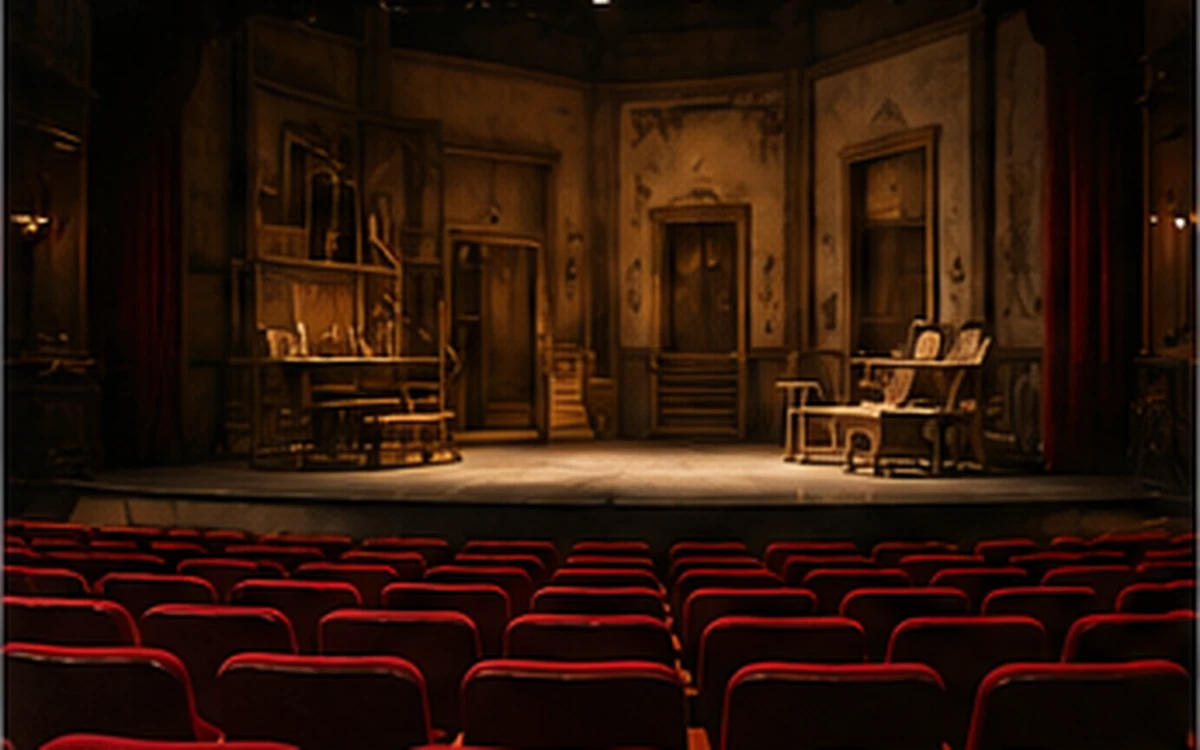
 History
Theater Education Through the Decades
Put modern actor training into its larger educational history.

Drama • Acting
An actor's craft grows through repeatable skills: reading text closely, using the voice and body with intention, listening to partners, rehearsing choices, and adapting those choices for stage or camera.
Actor Training
Actors are asked to make imagined circumstances feel immediate. Doing that repeatedly requires more than instinct. Training breaks the work into areas that can be practiced: understanding text, using the voice clearly, making physical choices, listening to scene partners, pursuing objectives, improvising when useful, and sustaining concentration.
A script gives the actor evidence. Who is speaking? What happened before the scene? What does the character want? What changes from one beat to the next? Script analysis turns a page of dialogue into playable circumstances. The goal is not to produce an academic essay but to give the actor concrete reasons for each choice.
The voice must carry thought. Training can involve breath, articulation, projection, rhythm, resonance, and clarity. Stage acting may require the voice to reach a room without amplification, while screen work often rewards subtler volume. The underlying task is similar: language should be understandable without losing emotional life.
A character is visible before speaking. Posture, pace, gesture, distance, stillness, and physical tension all communicate. Movement training helps actors notice habits and develop a wider range of choices. It also supports ensemble awareness because stage space is shared with other performers, scenery, props, and audience sightlines.
A strong moment in rehearsal is useful only if the actor understands how it was created well enough to find the scene again in performance.
Improvisation is valuable because it prevents acting from becoming a sequence of preplanned gestures. It trains performers to respond to what is actually happening in the room. Even in a scripted scene, active listening keeps the exchange alive and allows the actor's next choice to emerge from the partner rather than from memory alone.
Today's LaGuardia Drama Studio includes on-camera acting alongside traditional stage training. The distinction reflects the modern profession. Camera work changes scale, continuity, framing, and the relationship between actor and audience. Stage acting unfolds in real time before spectators; screen performances are shaped by lenses, editing, multiple takes, and production schedules.
Rehearsal is where technique becomes behavior. Actors test choices, receive direction, adjust timing, discover relationships, and learn the structure of a production. The process also teaches professionalism: arriving prepared, respecting collaborators, maintaining focus, and understanding that individual performance exists inside a larger ensemble.
Continue Exploring
History
Put modern actor training into its larger educational history.
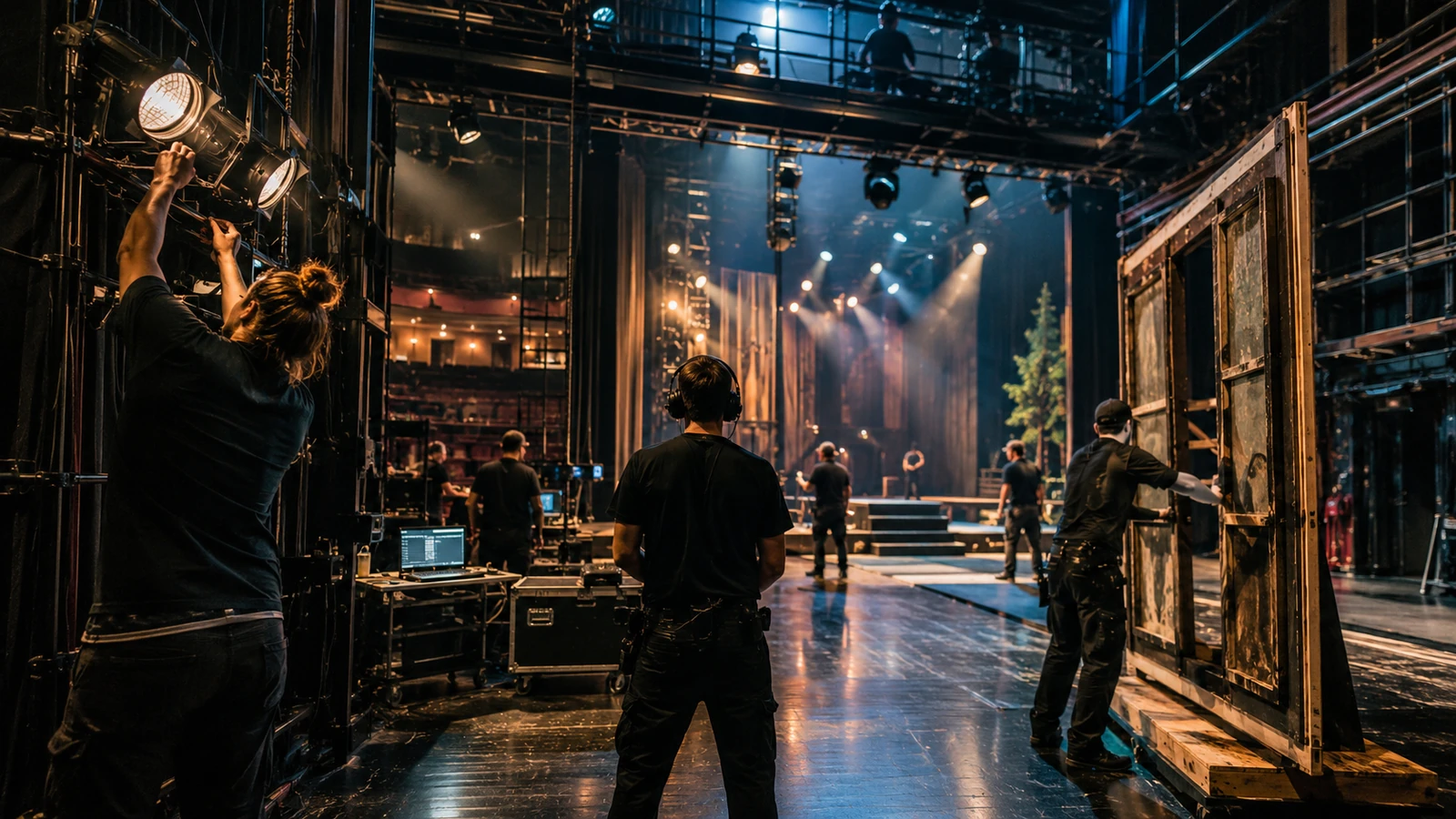 Stagecraft
Follow the collaborative work that turns rehearsal into performance.
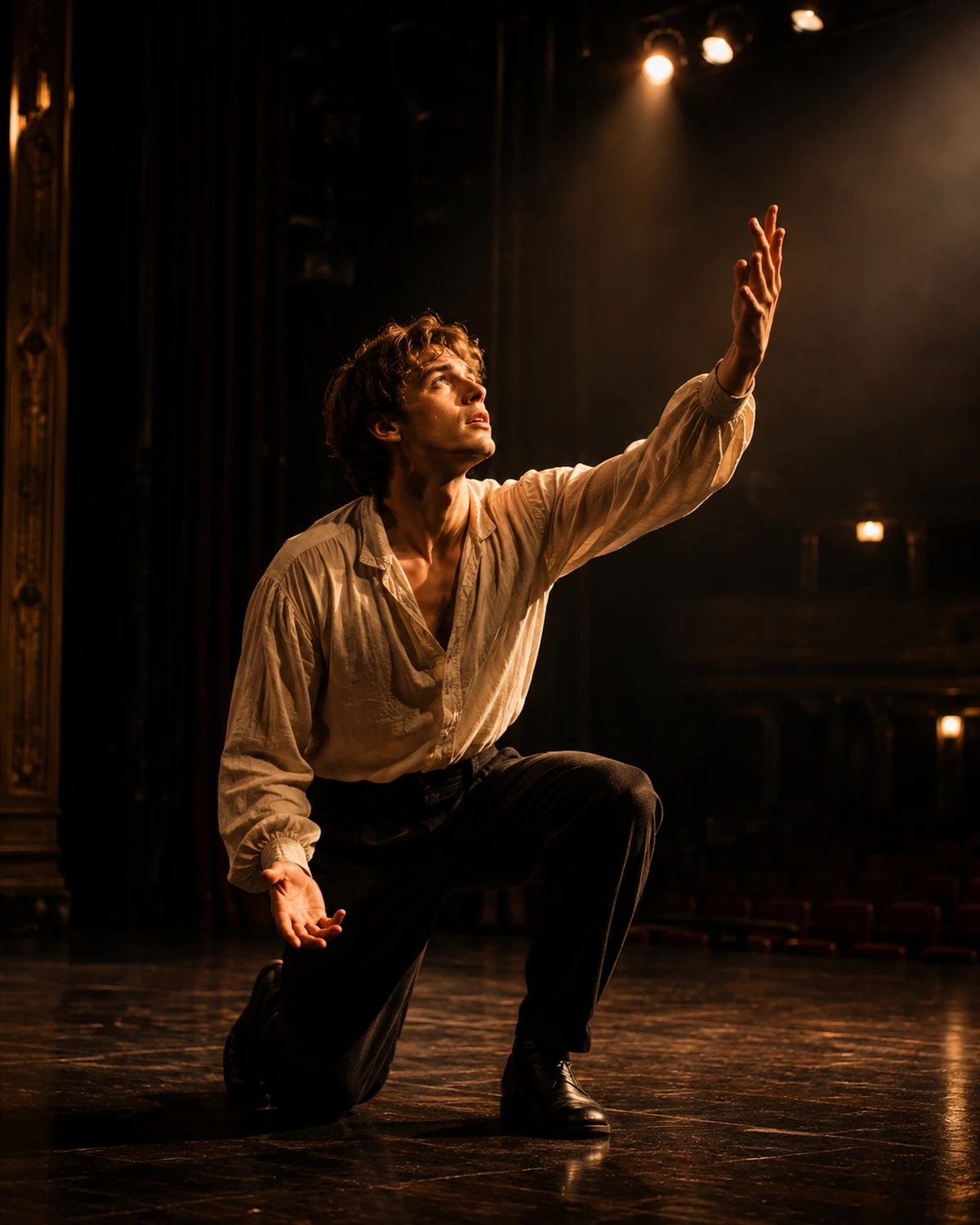 Overview
Return to the main Drama & Theater pillar page.
HighSchoolofPerformingArts.com is an independent historical and educational publication. It is not an official website of, affiliated with, endorsed by, or operated by Fiorello H. LaGuardia High School of Music & Art and Performing Arts or New York City Public Schools.