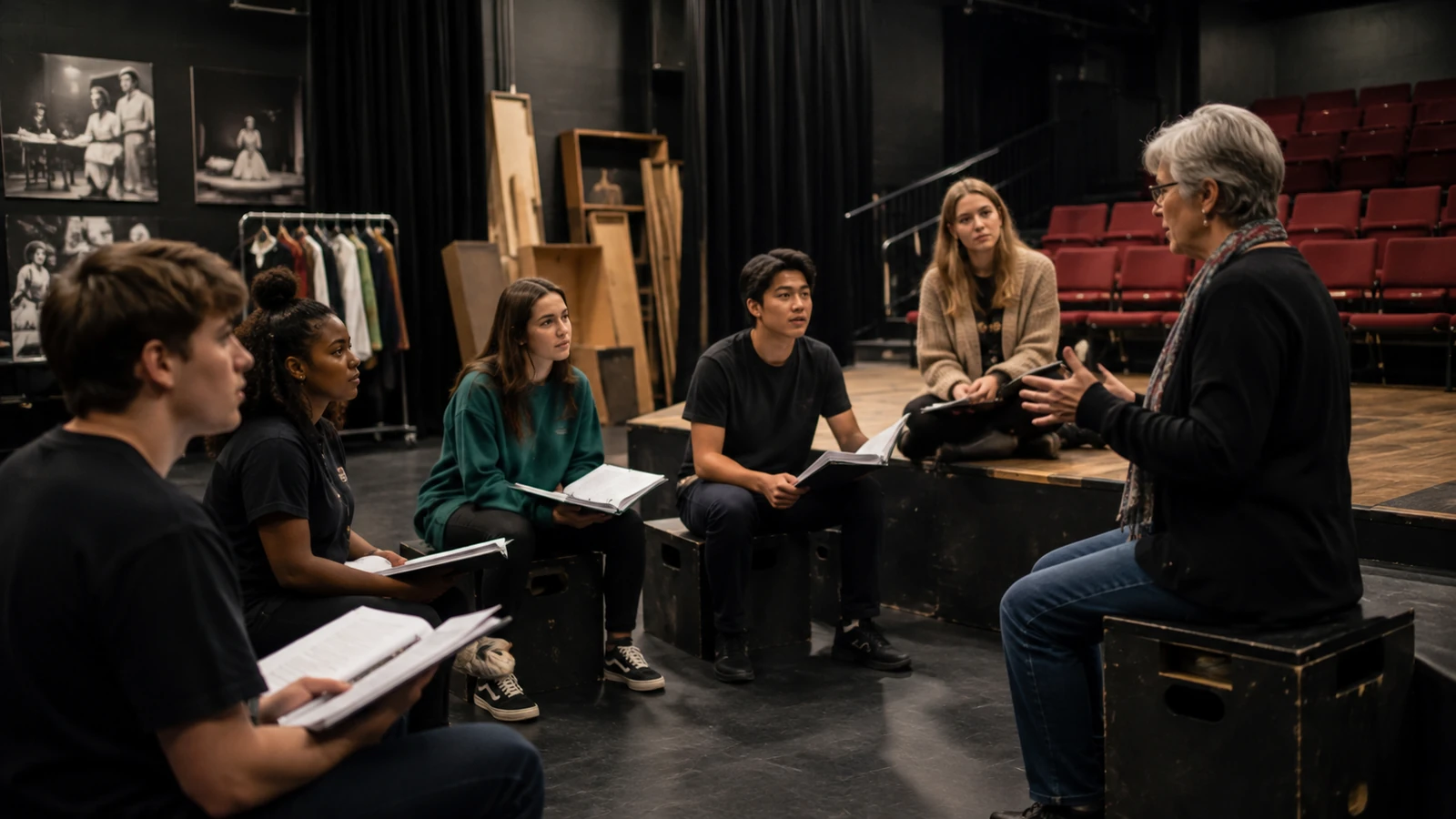
 Acting
Acting Training
Explore voice, movement, scene work, improvisation, and rehearsal.

Drama • History
Theater training has changed with the profession itself, but the central idea remains familiar: actors become more capable when talent is supported by technique, context, rehearsal, and disciplined practice.
Theater Education
The School of Performing Arts was established in 1948 with professional preparation in drama, dance, and music. That founding idea matters because it treated theater as a discipline worthy of sustained public-school study rather than an occasional extracurricular production. Students could pursue acting seriously while still completing an academic education.
The exact curriculum of the legacy school changed across decades, and today's LaGuardia Drama Studio should not be presented as if it were an unchanged 1948 syllabus. What remains consistent is the underlying model: serious theater training can be structured around technique, rehearsal, interpretation, and public performance.
Modern drama education makes explicit many areas that actors once learned through a mixture of classes, rehearsal culture, and professional practice. LaGuardia's current Drama Studio lists theater history and literature, acting, on-camera acting, voice and speech, movement for actors, improvisation, musical theater song preparation, and career preparation among its courses. That breadth reflects how the actor's profession expanded across stage, film, television, and musical performance.
The legacy Performing Arts program and today's LaGuardia Drama Studio belong to the same institutional lineage, but their course structures should be described according to the period being discussed.
Performance technique is stronger when actors understand the traditions behind the work. Theater history and literature help students recognize how acting styles, stage conventions, dramatic forms, and audience expectations have changed. A classical text asks different questions from a contemporary screen scene, even when both require truthful behavior.
New York City's current theater audition process asks students to prepare contrasting monologues. That requirement highlights a central skill in actor training: making specific choices inside a short piece of text while demonstrating range. Auditions are not the whole craft, but they force students to combine preparation, interpretation, memorization, voice, movement, and composure under pressure.
Perhaps the most durable contribution of Performing Arts was cultural rather than curricular. It helped normalize the idea that a teenager's interest in acting could be treated with the same seriousness applied to other forms of specialized study. The school created a public setting in which theater was not simply entertainment after class. It was part of the education itself.
Continue Exploring
Acting
Explore voice, movement, scene work, improvisation, and rehearsal.
 Stagecraft
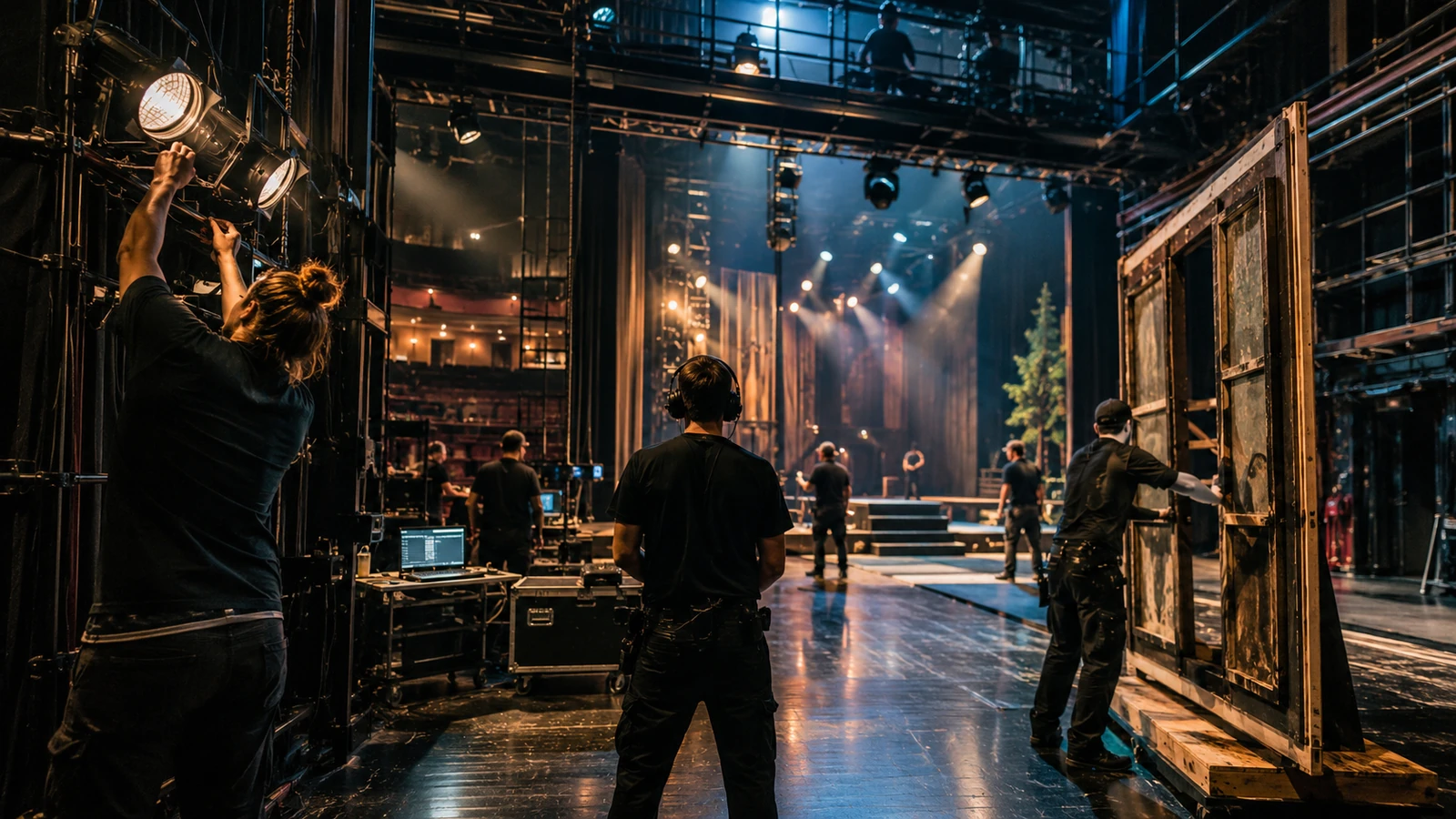
See how performance depends on production, preparation, and collaboration.
 Overview
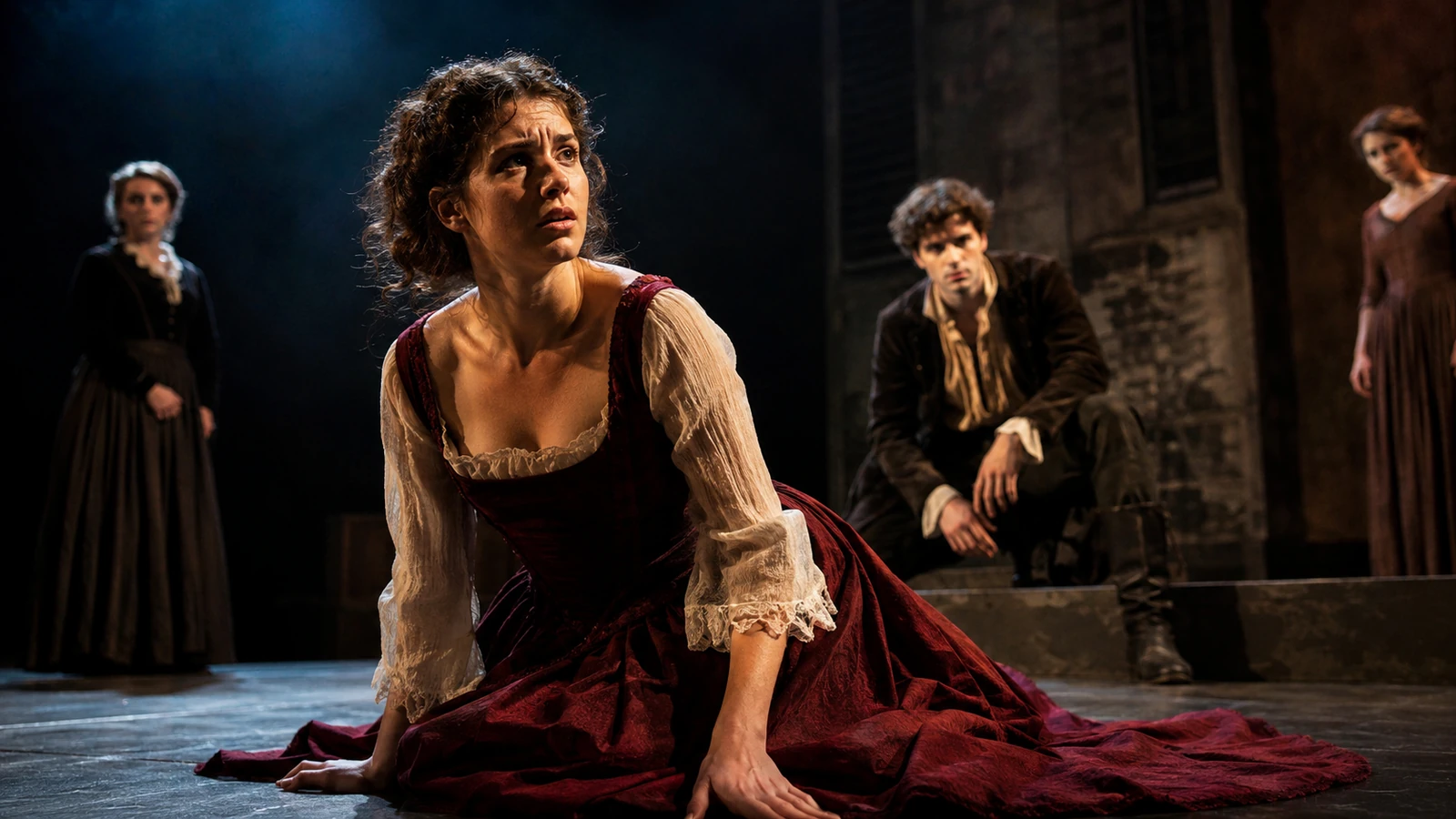
Return to the main Drama & Theater pillar page.
HighSchoolofPerformingArts.com is an independent historical and educational publication. It is not an official website of, affiliated with, endorsed by, or operated by Fiorello H. LaGuardia High School of Music & Art and Performing Arts or New York City Public Schools.