 History
Theater Education Through the Decades
How specialized public-school drama training developed from the legacy Performing Arts era into today's LaGuardia Drama Studio.
Drama • Theater • Performance
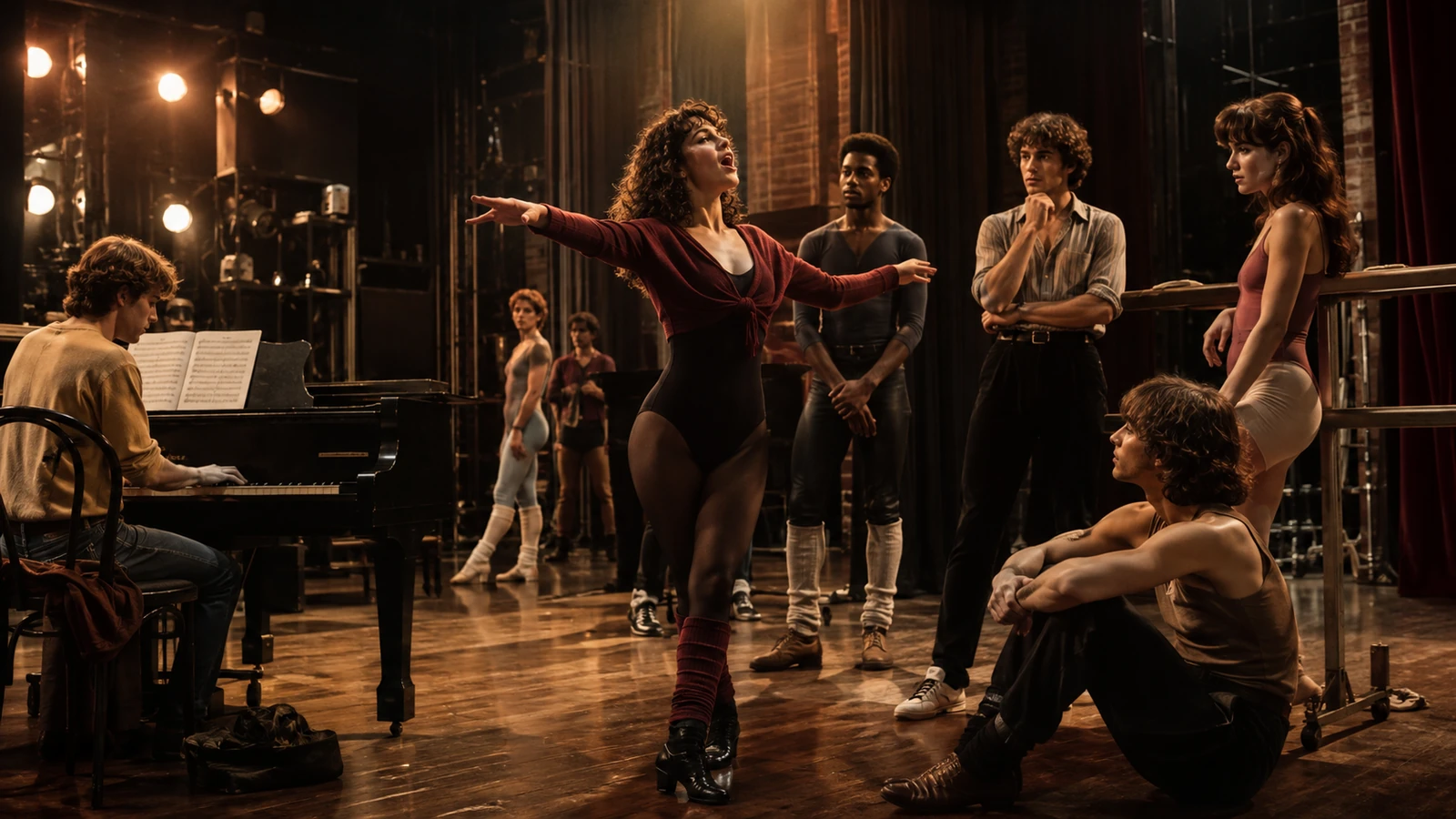
The School of Performing Arts was established in 1948 to prepare young people for professional careers in dance, drama, and music. In drama, that meant learning that performance depends on craft: voice, movement, text, rehearsal, collaboration, and the discipline to make choices in front of an audience.
The Stage as a Classroom
Drama education at a performing arts high school asks students to do more than perform scenes. It develops a repeatable process for reading a script, building a character, using the body and voice, responding to an ensemble, and turning rehearsal into clear theatrical communication.
Legacy & Continuity
The legacy School of Performing Arts began in 1948 with professional preparation in drama among its core disciplines. The institutional structure changed over time: Performing Arts and Music & Art became one organization in 1961, and in 1984 the two legacy schools began operating together in the new LaGuardia facility.
Today's LaGuardia Drama Studio is not identical to the program students experienced at West 46th Street, but it continues the broader idea that public-school drama training can be systematic and pre-professional. The current curriculum includes acting, theater history and literature, on-camera acting, voice and speech, movement for actors, improvisation, musical theater song preparation, and career preparation.
Talent may help a student enter the room, but training is about making performance dependable. Actors learn how to repeat a strong choice, adjust when a scene partner changes direction, maintain focus, and understand why a line or movement matters inside the larger scene. That craft-oriented view is one reason specialized theater education can matter even for students who later work in film, television, directing, writing, teaching, or other creative fields.
Explore the Craft
Move from the history of theater education to the actor's training process and the collaborative work behind a production.
History
How specialized public-school drama training developed from the legacy Performing Arts era into today's LaGuardia Drama Studio.
 Acting
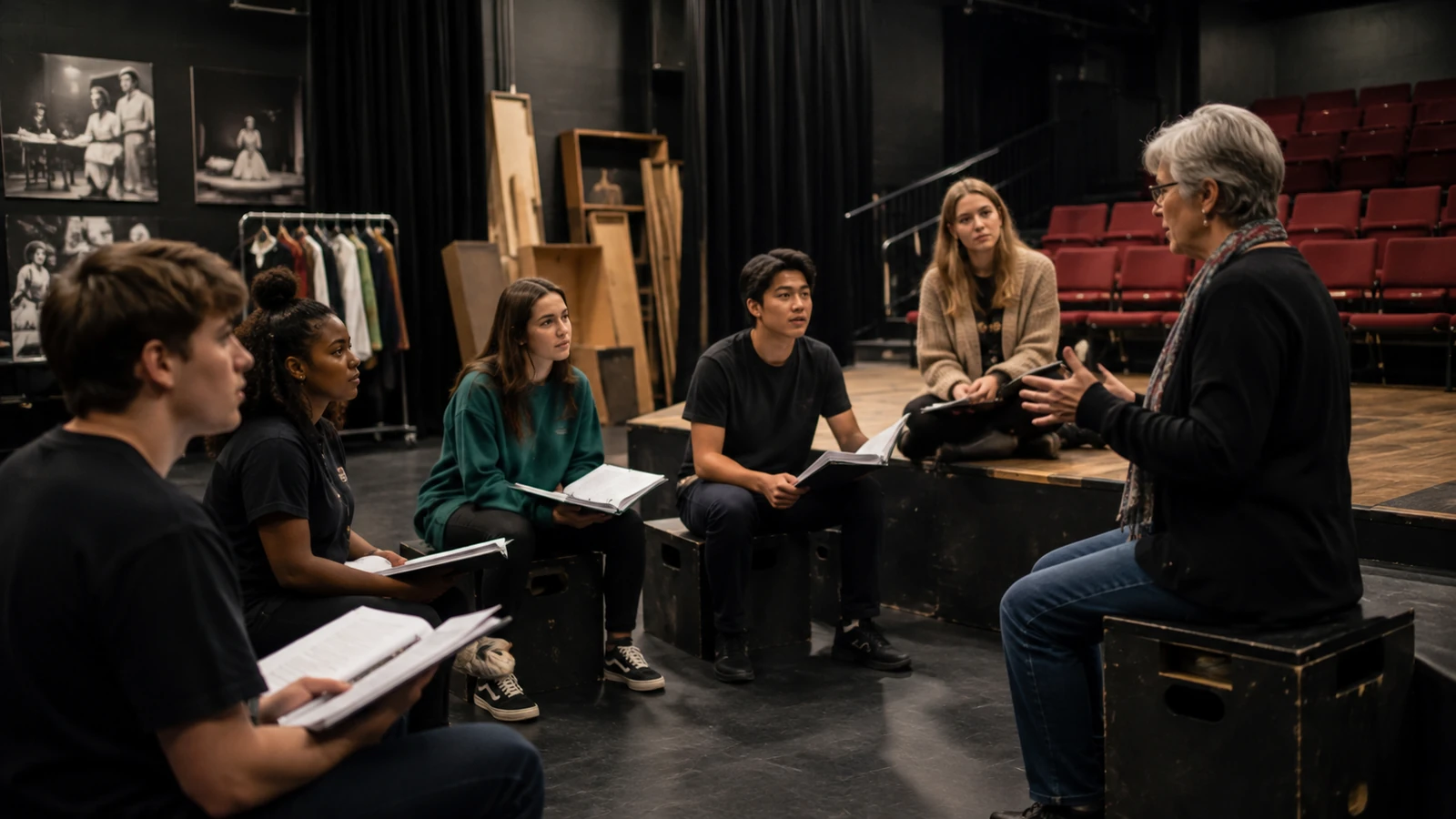
Voice, movement, scene work, improvisation, text, and rehearsal as parts of an actor's craft.
 Stagecraft
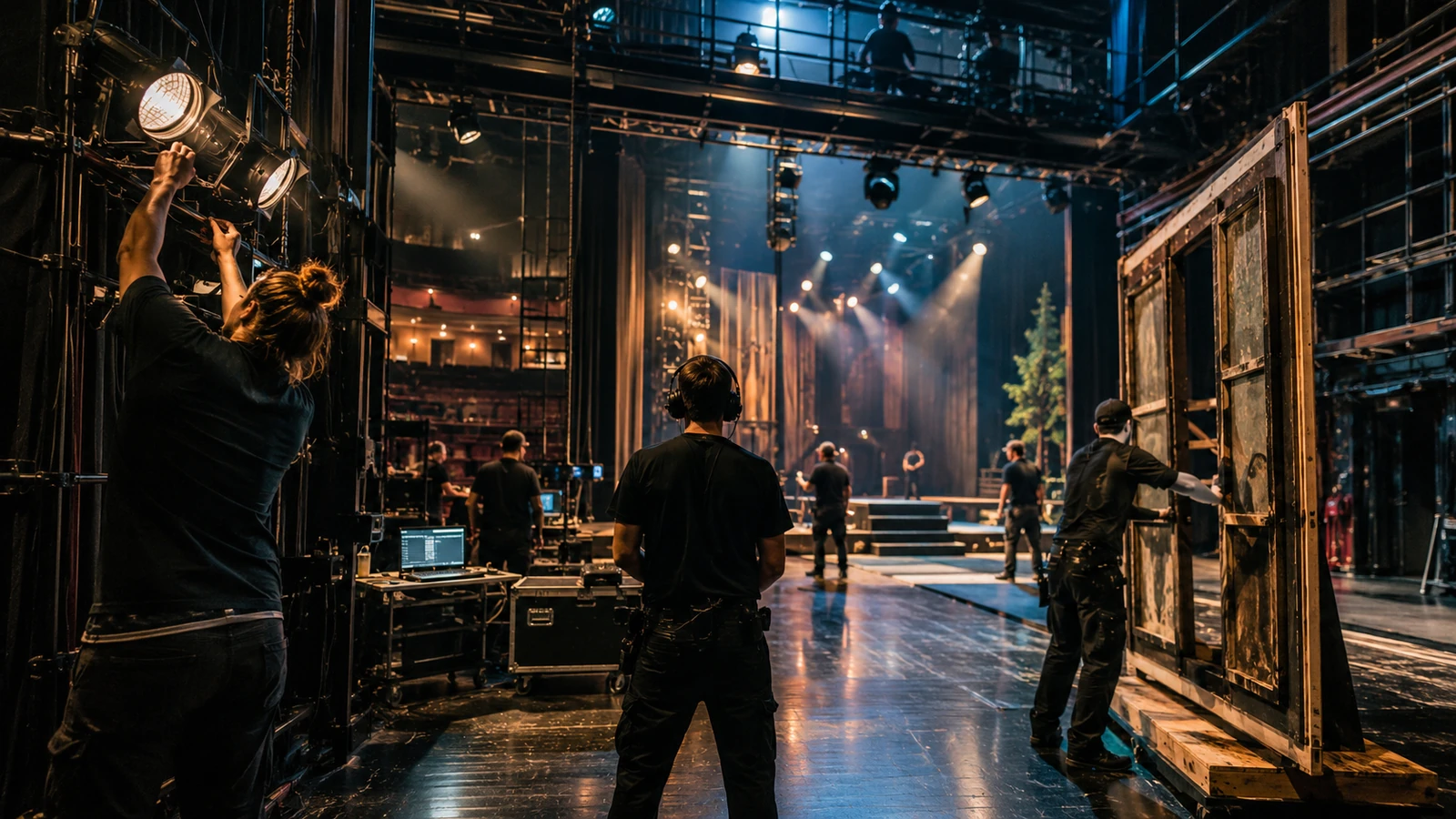
The collaborative work behind performance, including preparation, production, technical theater, and audience-facing presentation.
HighSchoolofPerformingArts.com is an independent historical and educational publication. It is not an official website of, affiliated with, endorsed by, or operated by Fiorello H. LaGuardia High School of Music & Art and Performing Arts or New York City Public Schools.