School of Performing Arts Established
Performance-focused training is organized around preparation for careers in dance, drama, and music.

New York Performing Arts History
From its establishment in 1948 to its move into the new LaGuardia High School facility in 1984, the School of Performing Arts helped define a model of public education in which serious artistic training and academic study could exist side by side.
A Performing Arts Legacy
The School of Performing Arts was established in New York City in 1948 to provide young performers with focused preparation for professional careers in dance, drama, and music while they completed their secondary education.
The Story
New York City's School of Performing Arts emerged during a period when specialized public education was expanding in new directions. Its purpose was unusually focused for the era: students with serious artistic ambitions could develop their craft within a public high school environment instead of having to choose between academic study and disciplined performance training.
The school developed a strong identity around performance. Dance, drama, and music were not treated as occasional extracurricular activities. They were central to the daily educational experience, requiring rehearsal, technique, collaboration, critique, and repeated performance. That combination helped give the school a distinct place within New York's cultural landscape.
The official history published by Fiorello H. LaGuardia High School records 1948 as the year the School of Performing Arts was established. It describes the school as providing performance training for students preparing for professional careers in dance, drama, or music. This mission distinguished the school from a conventional academic high school and placed intensive arts instruction at the center of its identity.
The school's three core areas created different paths into the performing arts. Drama students developed acting and stagecraft through rehearsal and performance. Dancers worked through the physical demands of technique, musicality, movement, and ensemble work. Music students strengthened their abilities through instrumental or vocal study, musicianship, and performance.
Although the disciplines differed, they shared a common educational idea: artistic ability develops through sustained practice. Students were expected to refine technique, respond to teachers and peers, and learn how individual talent functions within an ensemble. That approach remains recognizable in specialized performing arts education today.
In 1961, the School of Performing Arts and the High School of Music & Art became one organization. According to LaGuardia's official history, the change anticipated the eventual consolidation of both schools in a single building. The two legacy schools retained their importance and traditions while moving toward a shared institutional future.
In 1984, Music & Art and Performing Arts began the school year together in the new facility near Lincoln Center. This marked the opening era of Fiorello H. LaGuardia High School of Music & Art and Performing Arts. The present school describes itself as a tribute to the two institutions from which it developed.
The change did not erase the School of Performing Arts from New York history. Instead, its traditions became part of a larger continuing institution. The emphasis on intensive arts training, academic study, and performance continues to shape the identity associated with the LaGuardia name.
The importance of the former School of Performing Arts is larger than a list of notable alumni. Its deeper legacy lies in the proposition that public education can take young artistic talent seriously. It demonstrated that performance training could be rigorous, structured, and integrated into a student's broader education.
Its history also offers a window into New York City's relationship with the arts. The school existed within a city shaped by theater, dance companies, orchestras, recording studios, film, television, and a constant exchange of artistic ideas. Students were being educated in a place where performance was not an abstract career possibility but an active part of the city's cultural life.
Key Milestones
These dates provide a framework for understanding how the former School of Performing Arts developed and eventually became part of today's LaGuardia High School.
Performance-focused training is organized around preparation for careers in dance, drama, and music.
Performing Arts and the High School of Music & Art become one organization in anticipation of future consolidation.
The Board of Education names the planned new building in honor of former New York City mayor Fiorello H. LaGuardia.
Music & Art and Performing Arts begin the school year together in the new LaGuardia facility near Lincoln Center.
Explore More
Continue through the places, transitions, and milestones that shaped the Performing Arts story.
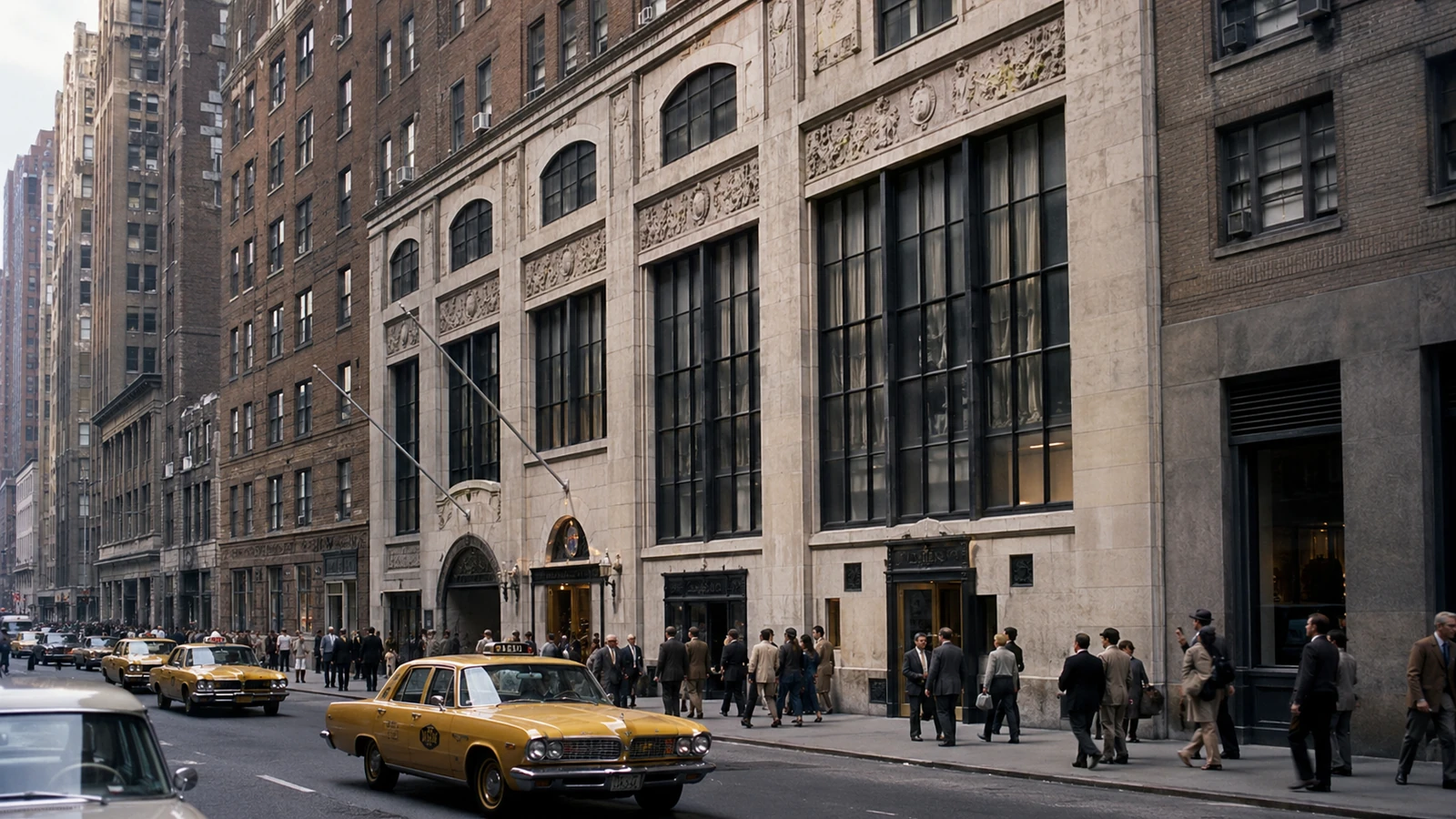 New York
Explore the Manhattan location closely associated with generations of Performing Arts students.
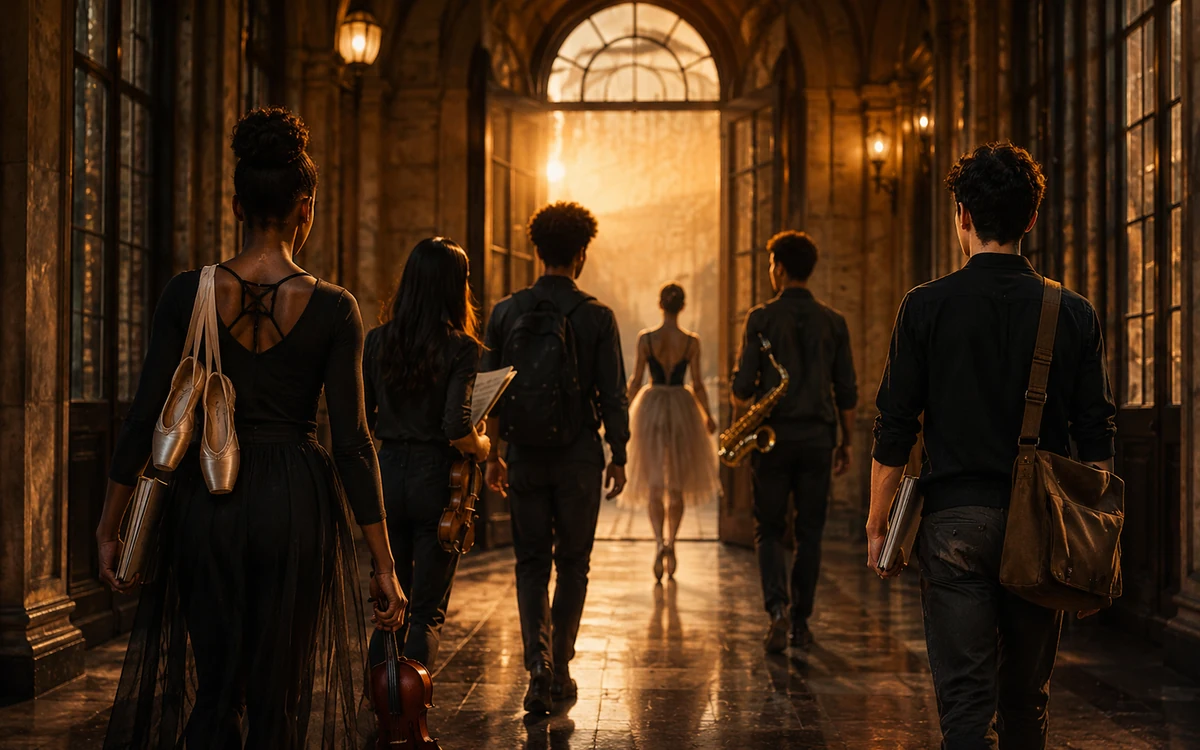 Legacy
Follow the organizational merger and the path toward a shared school facility in 1984.
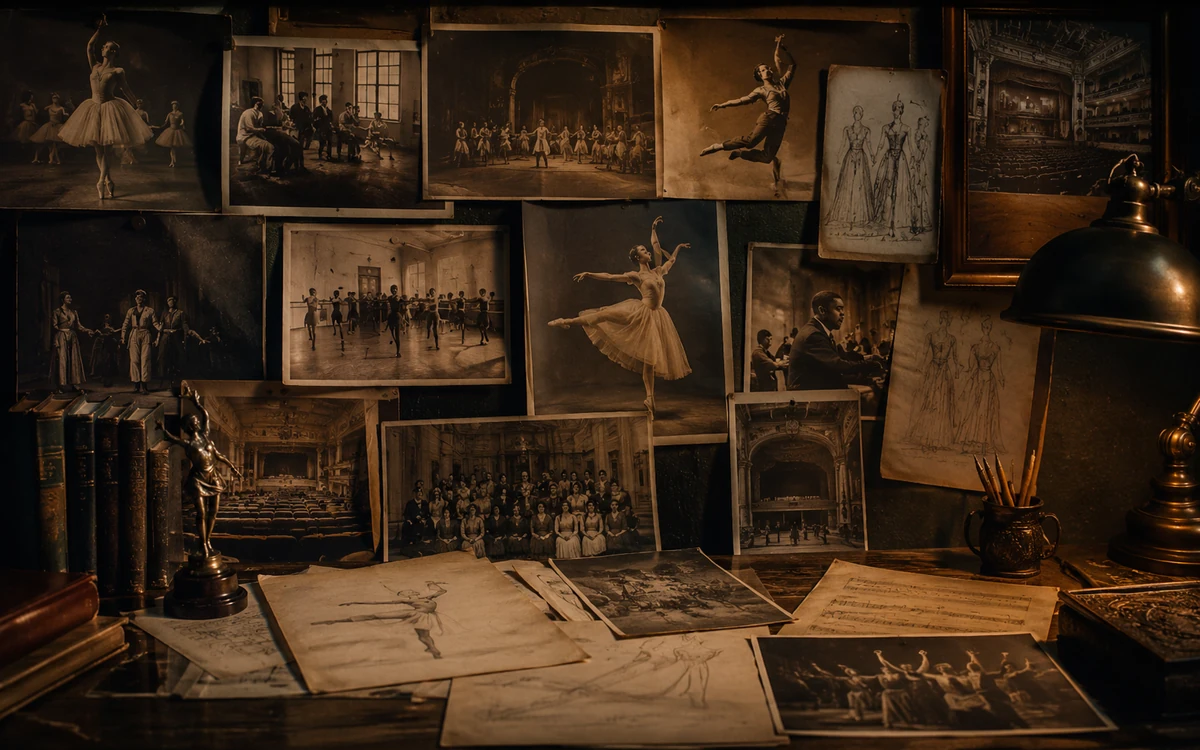 Timeline
A chronological guide to important dates and developments in the school's history.
A Continuing Influence
The former School of Performing Arts belongs to a larger story about specialized arts education in New York. Its legacy continues through LaGuardia High School and through the many performers, educators, and creative professionals influenced by the idea that serious arts training can be part of a public secondary education.
Research Notes
Historical dates on this page are grounded in institutional and New York City public-school sources. Future history articles will expand individual topics with additional archival and published references.
HighSchoolofPerformingArts.com is an independent historical and educational publication. It is not an official website of, affiliated with, endorsed by, or operated by Fiorello H. LaGuardia High School of Music & Art and Performing Arts or New York City Public Schools.