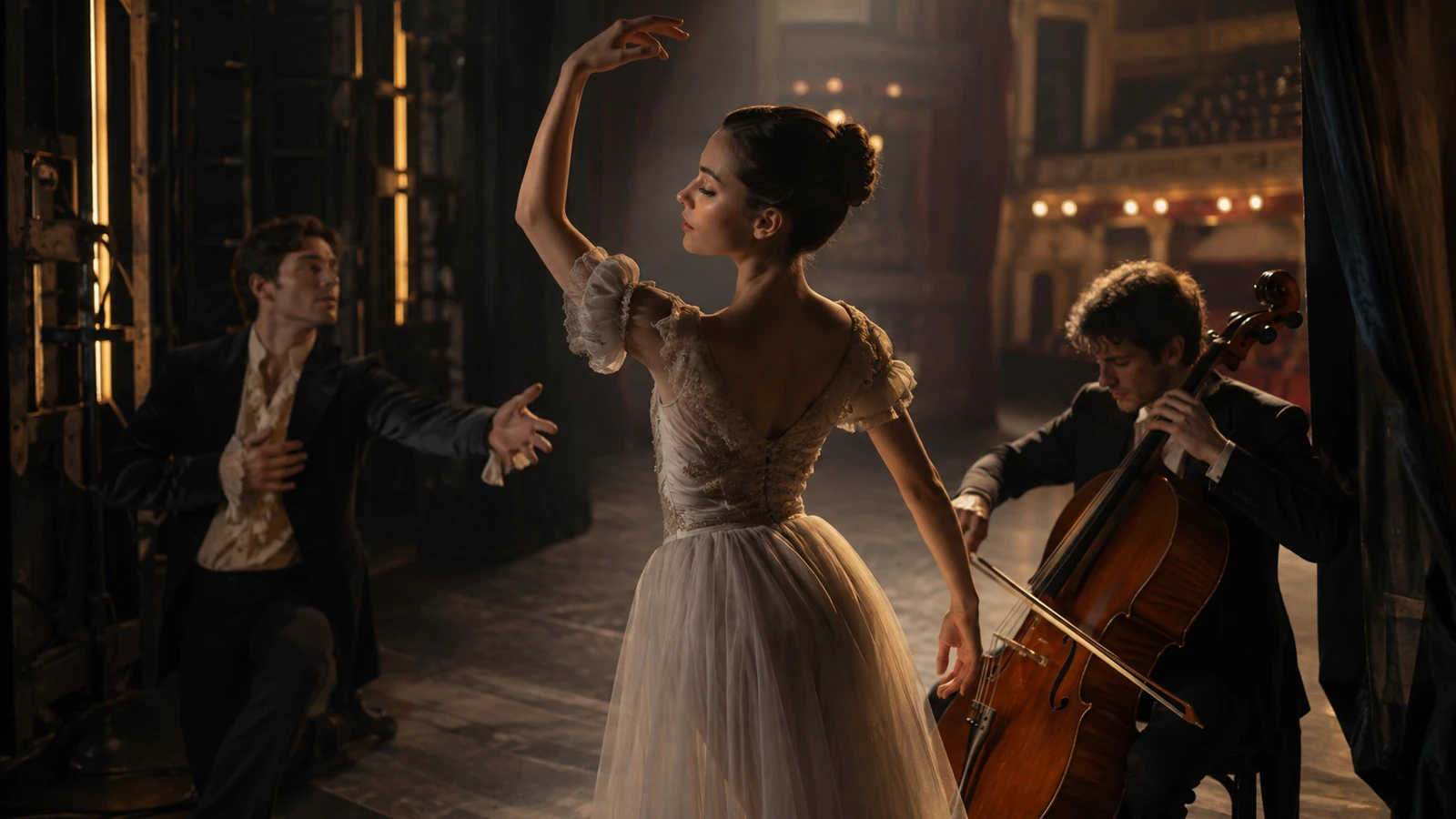
 Legacy
The Real School Behind Fame
Explore the cultural history surrounding the school.
Performing Arts • Education
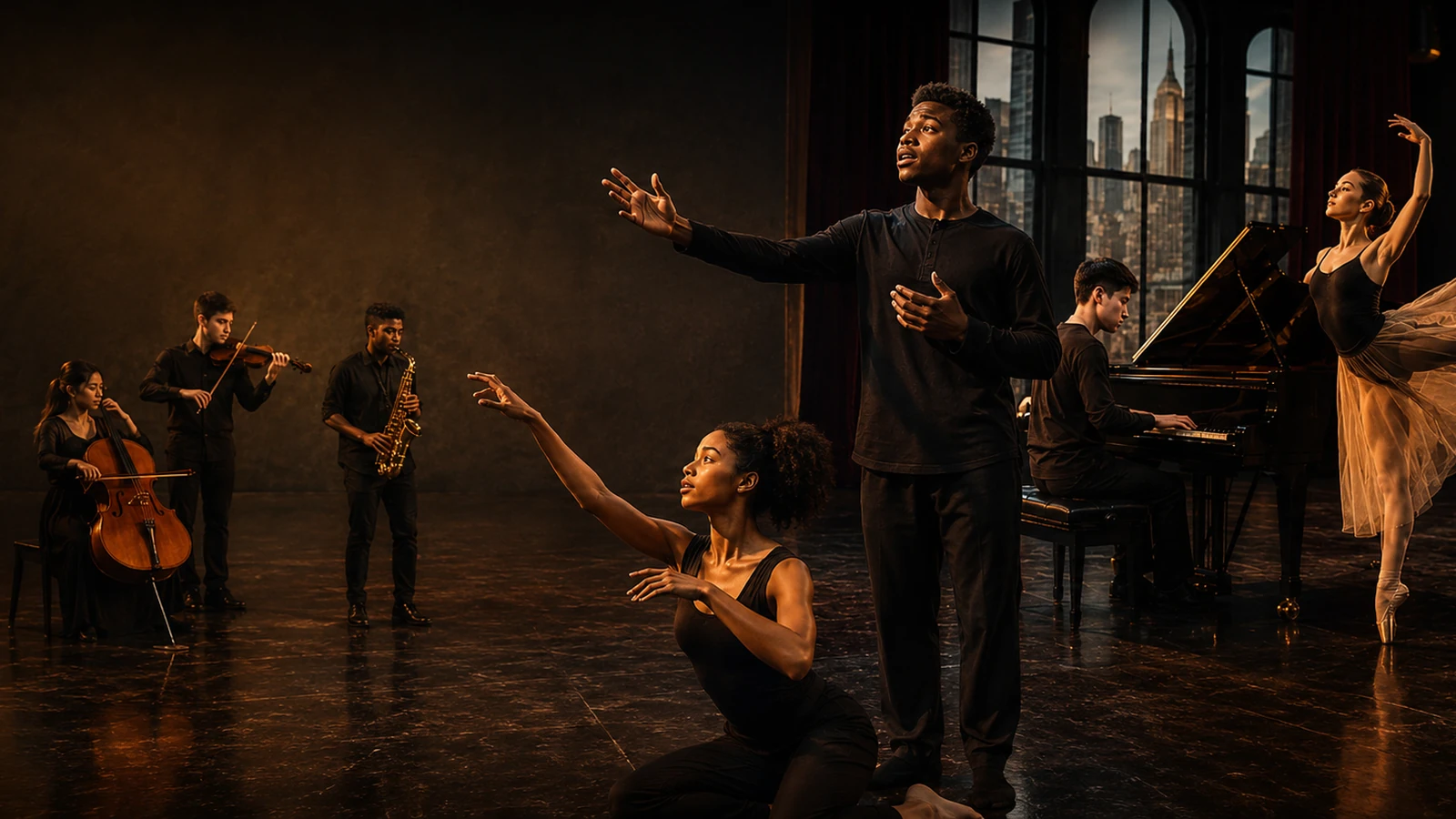
An interdisciplinary arts environment does not erase individual technique. It gives students more ways to understand timing, space, storytelling, sound, movement, collaboration, and the many forms a creative idea can take.
Learning Across Disciplines
An actor asks what a character wants. A dancer asks how movement occupies time and space. A musician asks how sound is shaped through rhythm, phrase, harmony, and tone. These questions differ, yet all involve structure, interpretation, and communication.
Actors benefit from physical awareness, rhythm, phrasing, and vocal musicality. Movement can make stage relationships visible before dialogue, while musical sensitivity improves timing and the expressive shape of language.
Dancers perform more clearly when they understand focus, intention, character, spatial relationships, and audience perspective. Choreography can be abstract, but theatrical awareness still helps movement communicate.
Musicians also interpret for an audience. Stage presence, pacing, collaboration, and dramatic structure matter in recital, opera, musical theater, ensemble performance, and popular music.
Students need depth in a primary discipline before cross-disciplinary work becomes useful. Breadth is strongest when it grows from solid technique rather than replacing it.
Lighting, sound, scenery, costumes, stage management, and production systems reveal how disciplines meet in practice. Technical theater turns separate artistic contributions into a shared event and teaches students that performance is both creative and logistical.
Exposure to multiple disciplines gives artists more references and collaborators. Even when students remain specialists, understanding adjacent practices can make communication faster, ideas richer, and productions more coherent.
Continue Exploring
LegacyExplore the cultural history surrounding the school.
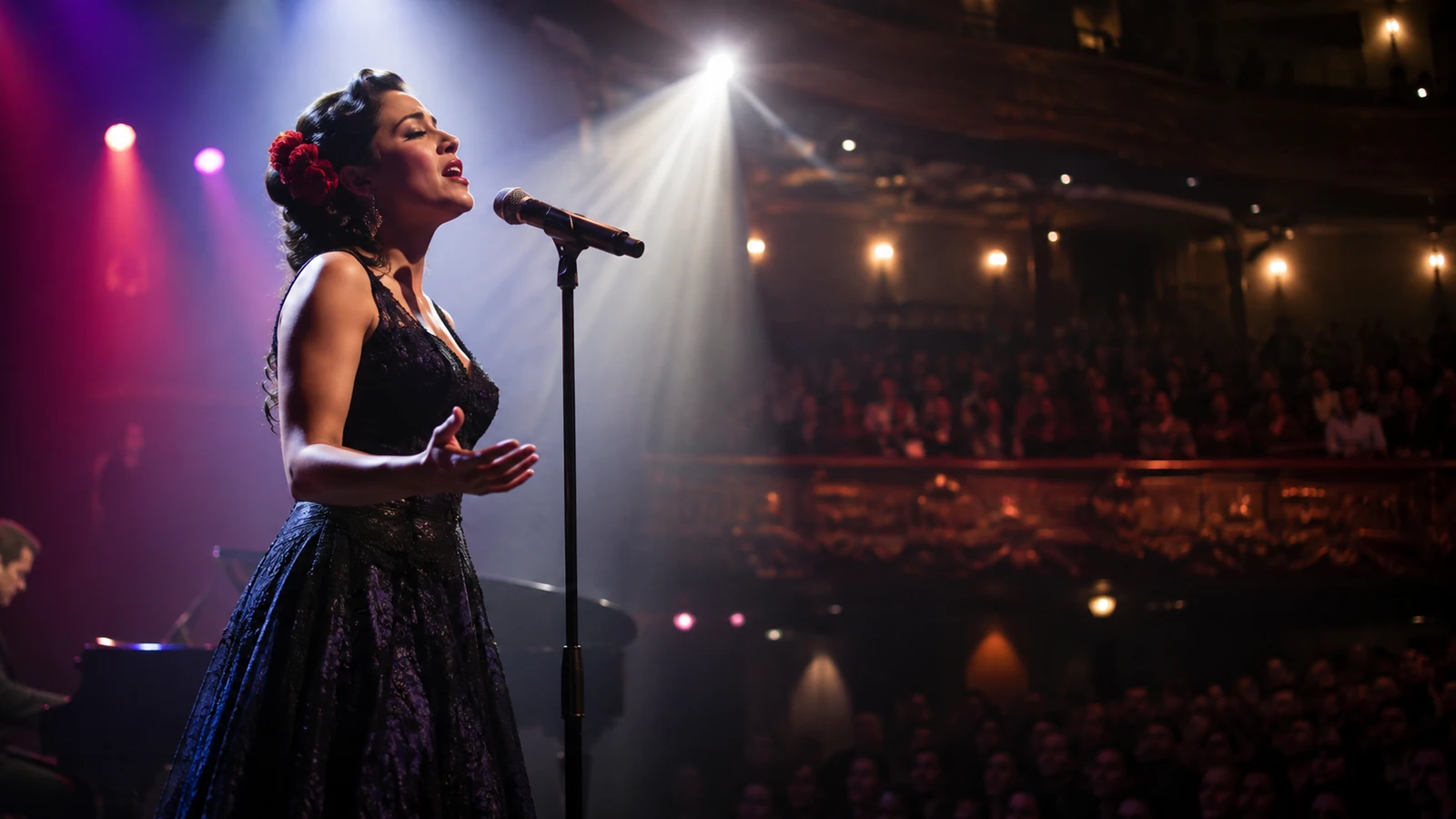 Performance
Focus on the live performer-audience relationship.
 Overview
Return to the Performing Arts pillar page.
HighSchoolofPerformingArts.com is an independent historical and educational publication. It is not an official website of, affiliated with, endorsed by, or operated by Fiorello H. LaGuardia High School of Music & Art and Performing Arts or New York City Public Schools.